
Most people begin noticing early shifts in appetite and eating patterns within 1 to 4 weeks of starting treatment. Weight loss often becomes measurable within the first two months, while more meaningful metabolic and body composition changes typically develop over 3 to 12 months with consistent treatment.
If you’ve recently started semaglutide for weight loss, a GLP-1 medication that regulates appetite and blood sugar, or tirzepatide for weight loss, a dual GLP-1 and GIP medication that targets two metabolic pathways at once, and haven’t seen major changes on the scale yet, that timeline is generally expected.
The pace depends on your starting metabolic profile, your dosing schedule, and how your body responds to treatment. Here’s what each stage typically looks like.
When Do the First Effects of GLP-1 Treatment Start?
Your body often responds to treatment before you notice significant changes on the scale. Think of it like planting a seed. The roots develop beneath the surface before you ever see new growth. Recognizing these early signs can help you see that the treatment is working, even if visible weight loss takes more time.
Appetite and Food Cravings Improve First
For many people, the earliest change is a noticeable reduction in appetite and food cravings. You may feel satisfied with smaller meals, snack less often, and spend less time thinking about food. These changes commonly begin within the first 1 to 2 weeks.
- You feel full sooner during meals
- You naturally eat smaller portions
- You snack less between meals
- Food cravings become easier to manage
For many patients, this is the moment treatment starts feeling real. You finish lunch and realize you haven’t thought about food for three hours, something that would have felt impossible a month ago.
These early improvements may not immediately show up on the scale, but they are important signs that the medication is helping regulate appetite and support healthier eating habits. During this first month, your naturopathic doctor typically starts you on a low dose so your body can adjust gradually and reduce the risk of side effects, then increases your dose over time to improve tolerability and help you reach an effective maintenance dose, the level at which your body responds effectively without needing further increases.
Because of this process, larger changes often develop later in treatment. If your weight changes only slightly during the first four weeks, that’s generally expected.
When Does Weight Loss Become Noticeable?
For most people, noticeable weight loss begins around weeks 4 to 8 after starting treatment. While your progress may differ, this timeframe aligns with when many people begin seeing measurable changes. Understanding the typical timeline can help you set realistic expectations and stay focused on your overall progress.
The Weeks 4 to 8 Window
Many patients experience consistent weekly progress during this window, although your results depend on several individual factors covered later in this article.
You may notice changes in how your clothes fit before others notice a difference. Visible changes that others notice tend to develop around weeks 8 to 12, even though appetite and eating pattern improvements have been underway for weeks. It’s also normal for your weight to fluctuate from week to week, even when your treatment is working.
Months 3 to 6: Visible Change
By this stage, many patients have reached their maintenance dose. As treatment continues, weight loss typically accelerates, especially when medication is combined with consistent nutrition, regular physical activity, and other evidence-based lifestyle strategies. Many patients report noticeable changes in body composition, the ratio of fat to lean muscle in your body, including how clothing fits, alongside improved energy and metabolic function.
Beyond six months, results continue to build. Clinical trials by Novo Nordisk (STEP 1) and Eli Lilly (SURMOUNT-1) have shown average weight loss ranging from approximately 15% to 22.5% of starting body weight at the highest doses after about 68 to 72 weeks of continuous treatment combined with healthy lifestyle changes.
RELATED ARTICLE: How Does Tirzepatide Work for Weight Loss?
How Much Weight Loss Can You Expect After 3 Months?
Three months is an important checkpoint because it provides enough time for your doctor to evaluate your progress and determine whether any adjustments are needed.
The 5% and Beyond Milestones
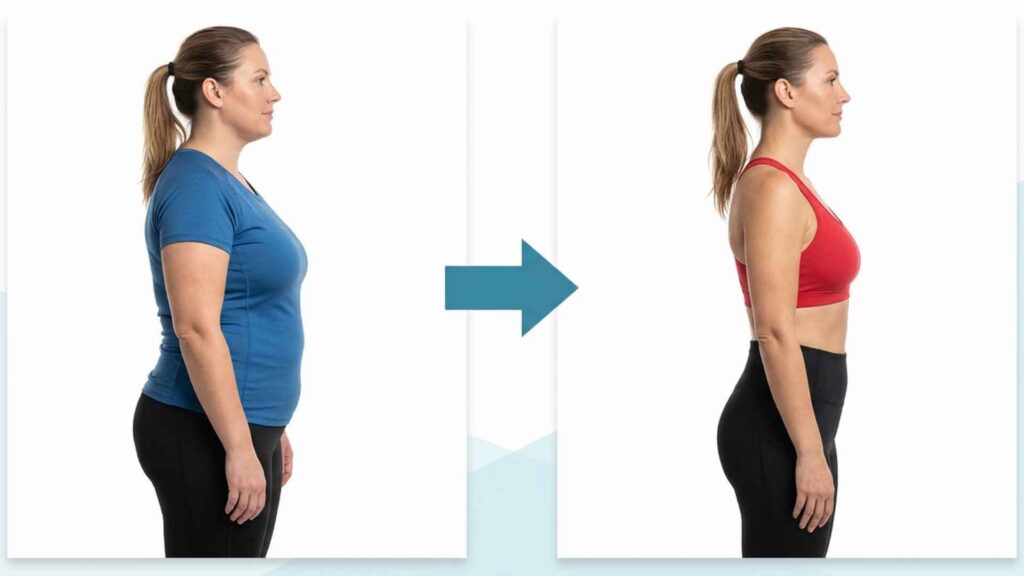
Many patients lose about 5% of their starting body weight during the first few months of treatment. Five percent may not sound dramatic, but for someone starting at 220 pounds, that’s 11 pounds, often enough to notice changes in energy, joint comfort, and how your body handles blood sugar. Reaching this milestone represents meaningful clinical progress and can support improvements in metabolic health. From there, continued treatment may lead to additional milestones, such as 10% or more weight loss over time.
Rather than focusing on week-to-week fluctuations, your doctor should evaluate longer-term trends, body composition, metabolic markers, measurable lab values that reflect how your body manages blood sugar, hormones, and inflammation, and your overall health.
Tirzepatide and Semaglutide: Early Momentum
Both medications are effective, but they work differently. Think of them as taking different routes to the same destination. Tirzepatide for weight loss activates both the GLP-1 and GIP receptors, while semaglutide for weight loss targets the GLP-1 receptor alone. In clinical trials, patients on tirzepatide reached 5% weight loss earlier on average than semaglutide patients in comparable studies, largely because the dual-receptor mechanism produces a stronger metabolic response from the outset.
Even so, the best medication depends on your medical history, metabolic goals, and your provider’s recommendation.
ALSO READ: Semaglutide vs Tirzepatide: Which One Is Right for You?
What Can Influence How Quickly You See Results?
Your medication does the heavy lifting, but several daily factors shape how quickly you see progress. Small, consistent adjustments in these areas can meaningfully speed up your results and protect the quality of the weight you lose.
- Protein intake: Prioritizing protein at each meal helps preserve lean muscle as you lose fat, which keeps your metabolism steady. Aiming for a palm-sized portion of protein at breakfast, lunch, and dinner is a simple starting point, and structured nutrition counseling can help you build meals that match your goals.
- Resistance training: Lifting weights two to three times a week protects muscle and improves body composition, so more of what you lose comes from fat rather than muscle. Even bodyweight exercises like squats and push-ups count when you’re getting started.
- Sleep quality: Poor sleep disrupts the hormones that regulate hunger, which can undo some of the appetite control your medication provides. Consistently getting seven to nine hours makes it easier to stay on track the next day.
- Stress management: Chronic stress raises cortisol, a hormone that encourages fat storage, particularly around the midsection. Regular walks, breathing exercises, or short daily wind-down routines can help keep cortisol in check.
- Insulin resistance: When your cells respond poorly to insulin, weight loss often slows. Lab-guided adjustments based on markers like HOMA-IR help your doctor identify and address this directly rather than leaving it to guesswork.
What If Your Results Feel Slow?
It’s natural to compare your progress to what you see online or hear from others, but weight loss doesn’t follow the same timeline for everyone. If your results seem slower than expected, it doesn’t necessarily mean your treatment isn’t working.
Can Some People Respond More Slowly to Treatment?
Yes. Response speed varies based on your metabolic profile and the factors covered in the section above. Some people experience steady progress later than others, even while following the same treatment plan.
Rather than focusing on a single milestone, look at your overall progress over time. Improvements in appetite control, eating habits, energy, and metabolic markers often develop before larger changes in body weight.
When Should You Talk to Your Naturopathic Doctor?
If you haven’t noticed any reduction in appetite after several weeks, you’re experiencing side effects that interfere with daily life, or your progress has stalled for an extended period, it’s a good idea to schedule a follow-up with your naturopathic doctor.
Your doctor may recommend additional metabolic testing, including insulin resistance measurements such as HOMA-IR (Homeostatic Model Assessment of Insulin Resistance), to better understand what’s affecting your progress and determine the most appropriate next steps.
Start Your Tirzepatide or Semaglutide Plan at The Adapt Lab
At The Adapt Lab in Solana Beach, led by Dr. Chad Larson, these medications function as one part of a data-driven metabolic restoration program. Treatment begins with advanced laboratory testing and validated diagnostics to identify the factors influencing your metabolic health, allowing your doctor to develop a precision-guided treatment strategy based on measurable data through our Metabolic Magic Method. For many non-diabetic adults seeking long-term weight management, Zepbound (tirzepatide) is the clinical team’s preferred peptide due to its dual GLP-1 and GIP mechanism and strong clinical performance.
If you’re ready to take the next step, book your consultation at The Adapt Lab to determine which medication aligns with your metabolic profile. You’ll receive a complete metabolic evaluation as part of our medical weight loss program, a clinically aligned treatment plan, and ongoing guidance to help you achieve sustainable weight management and long-term metabolic health.
Frequently Asked Questions
Do I gain weight after stopping semaglutide or tirzepatide?
You may regain some weight after stopping treatment because appetite and hunger signals often return. Long-term success depends on maintaining healthy eating habits, regular physical activity, and a plan that supports your metabolic health after treatment.
Can I take semaglutide and tirzepatide together?
No. These medications should not be used together. Your naturopathic doctor will recommend the option that best fits your health needs and adjust your treatment plan as needed.
Does insurance cover semaglutide or tirzepatide for weight management?
Coverage depends on your insurance plan and the medication prescribed. Some plans provide coverage for eligible patients, while others do not include weight management medications. Check with your insurance provider to confirm your benefits.
What foods should I avoid while taking these weight loss medications?
High-fat, greasy, heavily processed, and sugary foods may increase nausea or digestive discomfort, especially during the first few weeks of treatment. Eating smaller, balanced meals with plenty of protein can help improve tolerability.
Are compounded medications as effective as brand-name medications?
Brand-name medications are FDA-approved and manufactured to meet strict quality standards. Compounded medications can vary depending on the pharmacy preparing them. Talk with your provider about the benefits, risks, and whether a compounded option is appropriate for you.