You’ve had your blood sugar checked. Your doctor said it’s fine. But something still feels off. Your energy crashes after lunch, your weight won’t budge, and your cravings seem to have a mind of their own. Your glucose may look normal, but your insulin might be telling a different story.
The Homeostatic Model Assessment of Insulin Resistance (HOMA-IR) offers a deeper look at how your body responds to insulin. HOMA-IR helps identify changes in insulin sensitivity that traditional glucose testing alone may miss. Understanding your HOMA-IR score can help you make informed decisions about supporting long-term metabolic health.
What Does HOMA-IR Actually Measure?
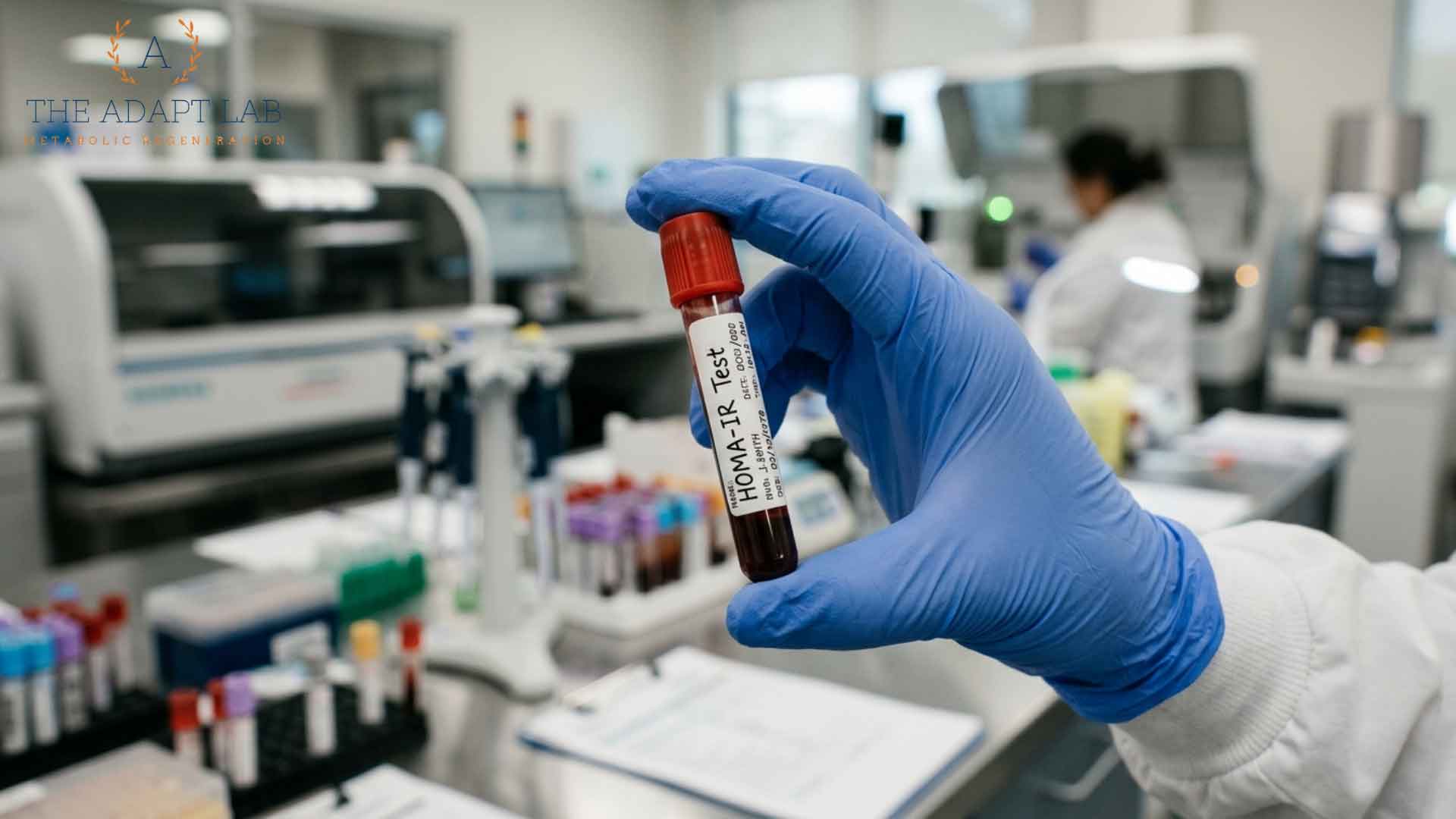
HOMA-IR is a validated clinical calculation that estimates insulin resistance using two fasting lab values: fasting insulin and fasting blood glucose. Together, these markers show how effectively your cells respond to insulin and how much insulin your body needs to maintain healthy blood sugar levels.
The Formula Behind the Score
The HOMA-IR formula is straightforward. It multiplies your fasting insulin level by your fasting glucose level, then divides that number by 405. The result is your HOMA-IR score.
Each value provides a different piece of information. Fasting glucose shows your blood sugar level after an overnight fast, while fasting insulin reveals how much insulin your body produces to maintain that level. Because insulin resistance can develop before blood sugar rises, HOMA-IR can provide a clearer view of insulin function beyond standard glucose testing.
Why Does HOMA-IR Reveal More Than Blood Sugar Alone?
Think of insulin as a messenger that helps move glucose from your bloodstream into your cells for energy. When your cells respond well, your body only needs a small amount of insulin to maintain balance. As insulin resistance develops, your cells become less responsive, and your pancreas produces more insulin to achieve the same effect.
This is why two patients can sit across from the same doctor with identical fasting glucose results and have completely different metabolic pictures. One body is coasting. The other is compensating.
This compensatory response can keep blood sugar within a normal range for a period of time. HOMA-IR helps identify when your body may need to produce more insulin than expected, offering early indicators of metabolic changes before glucose levels become abnormal.
How Should You Interpret Your HOMA-IR Results?
Your HOMA-IR score provides useful information about insulin sensitivity, but it should not be viewed as a standalone diagnosis. Your naturopathic doctor should interpret your results alongside your symptoms, health history, lifestyle factors, and other markers from your overall lab panel. It is also worth noting that exact thresholds can vary by laboratory and clinical context, so the following ranges serve as a general framework rather than fixed cutoffs.
While ranges may vary depending on the laboratory and individual factors, the following framework can help you understand what your score may indicate:
- Below 1.0: This range generally reflects strong insulin sensitivity, meaning your cells respond efficiently to insulin with minimal effort from your pancreas.
- 1.0 to 1.9: This range is often considered within a healthy range, although early insulin resistance may still be possible depending on other risk factors.
- 2.0 to 2.9: This range may suggest developing insulin resistance, where your body needs to produce more insulin to maintain normal blood sugar levels. This is also the range where patients often start noticing symptoms they struggle to explain, such as stubborn weight, afternoon energy crashes, or cravings that don’t match their eating habits.
- 3.0 and above: Higher scores may indicate significant insulin resistance and may be associated with increased metabolic risk.
A helpful way to think about HOMA-IR is this: your blood glucose shows the final result, while your insulin level shows how much work your body had to do to achieve it. A normal blood sugar level does not always mean your metabolism is functioning optimally.
How Does HOMA-IR Compare to Other Blood Sugar Tests?
If you already track your A1c or fasting glucose, you may wonder where HOMA-IR fits into your metabolic health picture. These tests do not measure the same thing. Instead, they provide different information about how your body regulates blood sugar and responds to insulin.
Each test provides a different view of your metabolic function:
- Fasting glucose: Measures your blood sugar level after an overnight fast. It shows your current glucose status but does not reveal how much insulin your body produces to maintain that level.
- HbA1c: Measures your average blood sugar levels over approximately three months. It helps evaluate long-term glucose control but may remain normal while your body compensates for early insulin resistance.
- Fasting insulin: Shows how much insulin your body produces to keep blood sugar balanced. Higher insulin levels may indicate that your body is working harder to maintain normal glucose levels.
- HOMA-IR: Combines fasting insulin and fasting glucose results to estimate insulin resistance. It can help identify early changes in insulin function before traditional glucose markers become abnormal.
Think of it this way. Fasting glucose tells you the final score of the game. HbA1c tells you the season average. But HOMA-IR tells you how hard your team had to work to get that score. That effort is what matters for early detection.
These tests work together to create a more complete understanding of your metabolic health. While fasting glucose and A1c show the outcome of blood sugar regulation, HOMA-IR provides insight into how efficiently your body manages glucose and insulin behind the scenes.
What Does a High HOMA-IR Score Mean for Your Health?

A high HOMA-IR score does not diagnose a specific condition. Instead, it signals that your body may be producing more insulin than expected to maintain blood sugar balance. Understanding this signal can help you identify areas where your metabolic health may need additional support.
Conditions Linked to Elevated Insulin Resistance
Elevated insulin resistance is associated with a higher risk of several conditions:
- Type 2 diabetes: Prolonged insulin resistance strains the pancreas over time, eventually impairing its ability to produce enough insulin to maintain normal blood sugar levels.
- Metabolic syndrome: A cluster of conditions including elevated blood sugar, high blood pressure, and abnormal cholesterol that together significantly raise cardiovascular and diabetes risk.
- Cardiovascular disease: Chronically elevated insulin levels can contribute to inflammation, arterial damage, and lipid imbalances, increasing cardiovascular risk over time.
- Non-alcoholic fatty liver disease (NAFLD): A condition where excess fat accumulates in the liver without alcohol being the cause, often driven by impaired glucose and insulin regulation.
- Polycystic ovary syndrome (PCOS): A hormonal condition in women that is often driven by insulin resistance and affects metabolism, weight, and reproductive health.
You may notice signs such as increased cravings, energy changes after meals, weight gain around the midsection, or difficulty managing weight despite healthy habits. These symptoms can provide important clues when evaluated alongside your lab results and other metabolic markers.
Why Does Early Detection Matter?
Identifying changes in insulin sensitivity early can help you take action before these patterns progress further. Supporting healthier nutrition habits, regular physical activity, quality sleep, stress management, and other evidence-based strategies can improve insulin function and support metabolic restoration.
Your HOMA-IR score provides measurable information about how your body responds to insulin. When combined with other findings from metabolic testing, it can help create a clearer understanding of your current metabolic function and guide informed next steps.
Who Can Benefit From HOMA-IR Testing?
HOMA-IR testing can provide valuable insight for people who want to better understand their insulin function, especially when standard blood sugar tests do not explain ongoing concerns. If you experience any of the following, discussing metabolic screening with your doctor may help identify early changes in insulin function.
- You are experiencing unexplained weight changes: Unexpected weight gain, especially around the midsection, can be associated with changes in insulin sensitivity. When your body produces more insulin than needed, it can affect how efficiently you store and use energy. HOMA-IR testing helps evaluate whether insulin resistance may be contributing to these changes.
- You struggle to lose weight despite healthy habits: If you maintain a balanced diet and regular exercise routine but continue to struggle with weight management, insulin resistance may be one factor affecting your progress. Measuring HOMA-IR can provide insight into how effectively your body responds to insulin and guide a more targeted approach.
- You have a family history of type 2 diabetes: A family history of type 2 diabetes can increase your risk of developing insulin resistance. HOMA-IR testing provides a measurable baseline that can help identify early metabolic changes before traditional glucose markers become abnormal.
- You experience energy crashes after meals: Feeling tired, experiencing brain fog, or having strong cravings after eating may indicate changes in glucose and insulin regulation. HOMA-IR testing can help determine whether your body may be producing higher insulin levels to maintain blood sugar balance.
- You have hormonal imbalances or related symptoms: Insulin resistance directly influences hormone regulation in ways that differ between men and women. In women, elevated insulin can stimulate excess androgen production in the ovaries, which is a central driver of PMOS and can disrupt cycle regularity, weight, and estrogen balance. In men, chronic insulin resistance is frequently associated with lower testosterone levels, higher estrogen conversion, and declining energy. If hormonal symptoms are present but standard hormone panels haven’t identified a clear cause, evaluating insulin function is a logical next step.
- You have been identified as having prediabetes risk: If your fasting glucose or A1c levels suggest increased diabetes risk, HOMA-IR testing can provide a deeper look at how your body is responding to insulin. This information can help track metabolic changes and support earlier intervention.
- Your standard labs look normal, but you still have concerns: Normal blood sugar results do not always reflect optimal metabolic health. If you continue experiencing fatigue, cravings, difficulty managing weight, or other concerns despite normal routine testing, HOMA-IR can help identify changes that standard screenings may not capture.
How Can You Lower Your HOMA-IR Score?
Lowering your HOMA-IR score means reducing the amount of insulin your body needs to maintain stable blood sugar. The most effective strategies support metabolic health by addressing nutrition, physical activity, sleep, stress, and other factors that influence insulin sensitivity.
Diet and Exercise Strategies That Move the Needle
Your daily habits play an important role in how your body manages glucose and insulin. Consistent changes can support healthier metabolic function over time.
- Choose balanced, nutrient-dense foods: Reducing refined carbohydrates and added sugars can help manage glucose fluctuations and reduce the demand placed on your insulin system. Prioritizing protein, fiber, and minimally processed foods supports steadier blood sugar levels and better metabolic balance. If you want structured guidance on building an eating plan that supports insulin sensitivity, nutrition counseling provides a direct path to that.
- Build and maintain muscle through resistance training: Muscle tissue plays a major role in glucose regulation because it helps remove glucose from the bloodstream. Increasing muscle mass can improve how efficiently your body uses insulin. Even two to three sessions of strength training per week can measurably improve how your muscles absorb glucose, which directly influences your HOMA-IR at your next lab draw.
- Include regular movement and cardiovascular exercise: Walking, interval training, and other forms of cardio can support mitochondrial function and improve insulin sensitivity in muscle cells.
Consistency matters more than extreme changes. Regular exercise and sustainable nutrition habits can lead to measurable improvements in insulin sensitivity over time.
Sleep, Stress, and the Hormonal Angle
Your sleep quality and stress levels can influence your metabolic function. Poor sleep and ongoing stress can increase cortisol levels, which may interfere with insulin signaling and make it harder for your body to maintain healthy glucose balance.
If you’re doing everything right with nutrition and exercise but your HOMA-IR hasn’t budged, your sleep or stress patterns may be the variable your labs are reflecting. Supporting quality sleep, managing stress, and maintaining healthy daily habits are important parts of improving insulin function.
When Can Targeted Medical Support Help?
Lifestyle changes are the foundation for improving insulin sensitivity, but some individuals may need additional support based on their lab results, health history, and metabolic goals.
GIP, or glucose-dependent insulinotropic polypeptide, is a hormone that coordinates insulin response and fat metabolism. Alongside GLP-1 (glucagon-like peptide-1), these hormones form the basis of a class of medications that have shown meaningful effects on insulin sensitivity and metabolic restoration.
Semaglutide, available as Wegovy for chronic weight management and Ozempic for type 2 diabetes, is a GLP-1 receptor agonist that helps regulate appetite, slow digestion, and improve glucose control.
Tirzepatide, available as Zepbound for weight management and obstructive sleep apnea in adults with obesity, and Mounjaro for type 2 diabetes, activates both GLP-1 and GIP receptors simultaneously. This dual mechanism produces stronger effects on appetite suppression, fat metabolism, and glucose regulation compared to GLP-1 therapy alone.
These treatments may support improved metabolic health for appropriate patients as part of a broader medical weight loss program. A qualified naturopathic doctor should evaluate your complete health profile before recommending any treatment. Your HOMA-IR score is one important marker, but it should always be interpreted alongside your symptoms, laboratory results, and overall metabolic health.
RELATED ARTICLE: How Does Tirzepatide Work for Weight Loss?
Schedule Your HOMA-IR and Metabolic Assessment at The Adapt Lab
At The Adapt Lab, HOMA-IR is an important part of a broader metabolic screening approach. Your results are reviewed alongside markers such as fasting insulin, ApoB, high-sensitivity CRP, body composition data, symptoms, and other laboratory findings to create a clearer view of your internal function.
The purpose of HOMA-IR testing is not simply to provide a number. It establishes a baseline that allows you and your provider to track measurable changes over time. Through the Metabolic Magic Method, follow-up metabolic testing can help evaluate how your body responds to evidence-based strategies designed to support metabolic restoration.
A complete metabolic screening that includes HOMA-IR provides a deeper view of how your body manages insulin and glucose, and helps guide informed decisions for your health now and in the future.
Schedule your metabolic assessment with The Adapt Lab to gain a clearer understanding of where your metabolic health stands today.
Frequently Asked Questions
Can children or teenagers have a high HOMA-IR score?
Yes. Children and teenagers can develop elevated HOMA-IR scores, especially those with risk factors such as excess body weight, limited physical activity, a diet high in processed foods and added sugars, or a family history of metabolic dysfunction. Early signs like acanthosis nigricans, which causes darker patches of skin around the neck or armpits, may indicate the need for further metabolic evaluation.
Does HOMA-IR change throughout the day, or does timing of the test matter?
Yes. HOMA-IR is calculated using fasting insulin and fasting glucose, so proper preparation matters. Testing after an overnight fast and following consistent conditions can provide more accurate results, especially when monitoring changes in your metabolic health over time.
Can you have a normal HOMA-IR score but still have metabolic syndrome?
Yes. A normal HOMA-IR score does not rule out metabolic syndrome because the condition is based on multiple factors, including waist circumference, triglycerides, HDL cholesterol, blood pressure, and fasting glucose. HOMA-IR should be evaluated alongside other metabolic markers for a complete assessment.
Does being lean or physically active mean your HOMA-IR will automatically be low?
No. Your body size or fitness level does not always reflect your metabolic health. Some lean or active individuals can still experience insulin resistance due to factors such as visceral fat, the fat stored around internal organs that carries higher metabolic risk than the fat visible beneath your skin, as well as genetics, hormones, stress, or sleep quality. Testing fasting insulin and HOMA-IR provides insight that appearance alone cannot show.
How long does it typically take to see your HOMA-IR score improve after making lifestyle changes?
Many people can see improvements in HOMA-IR within 8 to 12 weeks after making consistent changes to nutrition, exercise, sleep, and other lifestyle factors. The timeline depends on your starting HOMA-IR level, overall metabolic health, and how consistently you follow your plan. Follow-up metabolic testing after this period helps measure progress and shows how your body responds to your treatment strategy.