
Microdosing GLP-1 medications is gaining attention among people who want to manage their weight without taking standard treatment doses. But does taking less semaglutide or tirzepatide offer the same benefits? GLP-1, short for glucagon-like peptide-1, is a class of injectable medications that mimic a natural gut hormone involved in appetite and blood sugar regulation. If you’re considering GLP-1 for weight loss, it’s important to understand that research on microdosing remains limited.
You may be interested in smaller doses to reduce side effects, manage treatment costs, or ease into medication. Understanding the science can help you decide when a low-dose approach may make sense as part of a physician-guided metabolic health program. Your treatment decision should consider your clinical profile, metabolic markers, and how your body responds to treatment.
What Is Microdosing GLP-1 and How Does It Differ From Standard Dosing?
Microdosing GLP-1 means taking smaller amounts of medication than standard treatment plans recommend. For example, some people take injections less often to reduce medication costs.
Microdosing protocols are still emerging, and no standardized schedule has been formally established by the FDA. Standard dosing, however, follows a gradual schedule:
- Semaglutide for weight loss: Usually starts at 0.25 mg weekly, with increases every four weeks. Wegovy’s recommended maintenance dose is generally 2.4 mg weekly, although some patients use 1.7 mg.
- Tirzepatide for weight management: Starts at 2.5 mg weekly and typically increases to 5 mg after four weeks. Maintenance doses range from 5 mg to 15 mg weekly.
Clinical trials support these approved dosing schedules for weight management and metabolic health.
What’s the Difference Between GLP-1 Titration and Microdosing?
Both approaches may involve lower medication doses, but they serve different purposes. The main difference is how your naturopathic doctor adjusts your treatment over time.
- Titration: Your doctor gradually increases your GLP-1 dose based on your response and tolerance. This process helps manage side effects as you work toward an effective treatment dose.
- Microdosing: You stay below established treatment doses or extend the time between injections. Some people explore a microdose GLP-1 approach to manage appetite without following the usual dose increases.
Your doctor may recommend slower dose increases or a lower approved maintenance dose based on your progress. However, these medically supervised adjustments are not necessarily microdosing. Any changes to your medication schedule should involve clinical guidance.
RELATED ARTICLE: How Does Tirzepatide Work for Weight Loss?
What Does Research Say About Low-Dose GLP-1 for Weight Loss?
Standard GLP-1 doses have strong research behind them, but microdosing is still being studied. Smaller doses may help some people lose weight, but we don’t yet know if they work as well over time.
Some people also promote microdosing for slowing aging or reducing inflammation, but there’s not enough clinical evidence to support those specific uses.
Dose size alone should not drive the decision. Your full metabolic picture, including lab results and clinical response, determines the right approach.
LEARN MORE: Semaglutide vs. Tirzepatide: Which One Is Right for You?
What Risks Remain With Lower GLP-1 Doses?
Taking less medication does not eliminate side effects. Even at lower doses, you may experience nausea, vomiting, constipation, or acid reflux.
Other important risks require medical evaluation, including:
- Pancreatitis: GLP-1 medications carry warnings about inflammation of the pancreas.
- Gallbladder problems: Some patients develop gallstones or gallbladder inflammation.
- Kidney problems: Severe vomiting or diarrhea can cause dehydration that affects kidney function.
- Vision concerns: Semaglutide requires additional monitoring in certain patients with diabetic retinopathy, damage to the blood vessels in the retina caused by diabetes.
- Thyroid-related restrictions: Semaglutide and tirzepatide should not be used if you have a personal or family history of medullary thyroid cancer, a rare form of thyroid cancer, or MEN2, also known as multiple endocrine neoplasia syndrome type 2, a genetic condition that increases the risk of certain endocrine tumors.
You should also avoid these medications if you’ve had a serious allergic reaction to the medication or its ingredients. If you’re pregnant or planning a pregnancy, discuss this with your physician because GLP-1 medications used for weight loss are generally not recommended during pregnancy.
Using compounded GLP-1 medications or adjusting injections without medical guidance can introduce additional risks. Compounded GLP-1 products are not FDA-approved and do not undergo the same premarket safety, quality, and effectiveness review as approved medications. The FDA has reported dosing errors involving compounded products, including cases that required hospitalization.
Another concern is undertreatment. You might notice fewer cravings or less food noise, meaning fewer persistent thoughts about food, but that doesn’t necessarily mean your blood sugar, body composition (the ratio of fat to lean muscle in your body), or other metabolic health markers have improved.
Your doctor can assess side effects, medication restrictions, and potential dosing errors to determine if your treatment needs adjustment.
ALSO READ: Who Is a Good Candidate for Ozempic in San Diego?
Who May Be a Candidate for Low-Dose GLP-1 Under Medical Oversight?

Low-dose GLP-1 treatment may be appropriate for certain patients, depending on their metabolic health, treatment goals, and response to medication.
Your doctor may consider a lower-dose approach or further metabolic evaluation if you fall into one of these groups:
- Patients with insulin resistance: Your laboratory results suggest problems with insulin function, specifically insulin resistance, a condition where your cells don’t respond efficiently to insulin, that may affect blood sugar regulation and weight management.
- Patients sensitive to standard doses: Standard dose increases produce symptoms that interfere with your daily function or treatment adherence.
- Patients entering weight maintenance: You’ve reached your weight goal and need a physician-guided plan to maintain your progress. This may involve an approved maintenance dose rather than microdosing.
- Patients with early metabolic concerns: You have prediabetes, a condition where your blood sugar is elevated but not yet high enough for a diabetes diagnosis, or metabolic syndrome, a cluster of conditions including elevated blood sugar, high blood pressure, and abnormal cholesterol that together raise your risk of diabetes and heart disease, and other clinical factors that may support further evaluation.
These factors may justify a medical evaluation, but they do not automatically make you eligible for GLP-1 medication or microdosing. The evaluation determines whether your full medical history and the specific medication’s approved uses support treatment.
When Might Microdosing Be the Wrong Choice?
Microdosing may not provide enough treatment if you need established medication benefits for obesity, type 2 diabetes, or another approved medical condition.
For example, if you have type 2 diabetes and your blood sugar remains high, taking a very small dose may not provide enough glucose control. Similarly, if you’re struggling with medication side effects, changing your injection schedule on your own could interfere with treatment.
Your doctor can determine if an approved dose adjustment, slower titration, or another treatment option better supports your health needs.
Why Do Metabolic Tests Matter Before Starting Treatment?
Your symptoms don’t always tell the full story. You might exercise regularly and eat well but still struggle with weight gain or low energy.
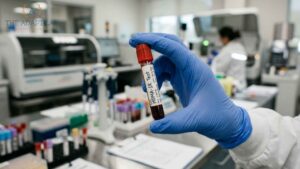
Advanced metabolic testing can help identify underlying metabolic concerns. One marker, HOMA-IR (Homeostatic Model Assessment of Insulin Resistance), uses fasting glucose and insulin levels to estimate insulin resistance. Your A1c, which reflects your average blood sugar over the past two to three months, may fall within the normal range even when other tests suggest your body has difficulty responding to insulin.
However, HOMA-IR does not have one universally accepted diagnostic cutoff and cannot diagnose insulin resistance on its own. Your doctor should also consider your medical history, fasting glucose, A1c, body composition, and other relevant findings.
If a lower-dose GLP-1 plan is clinically appropriate, your treatment may also include nutrition guidance, adequate protein intake, resistance training, and regular monitoring to help preserve lean muscle mass.
LEARN MORE: The HOMA-IR Score: Understanding Your Insulin Resistance Level
Schedule a Metabolic Health Consultation at The Adapt Lab in Solana Beach
If you’re considering GLP-1 treatment, understanding your metabolic health is a useful first step. At The Adapt Lab in Solana Beach, Dr. Chad Larson uses the Metabolic Magic Method to identify underlying metabolic concerns through comprehensive laboratory testing. This includes evaluating your blood sugar, hormones, thyroid function, and insulin resistance.
Your results guide a customized treatment plan that may include nutrition counseling, lifestyle adjustments, and GLP-1 medications when clinically appropriate. Tirzepatide is the clinical team’s preferred peptide for most non-diabetic patients due to its dual-receptor mechanism and lower rate of gastrointestinal side effects. It’s available as Zepbound for chronic weight management and moderate-to-severe obstructive sleep apnea in adults with obesity, or as Mounjaro for type 2 diabetes.
Zepbound is the primary option at The Adapt Lab. Semaglutide remains an option for patients where it is the stronger clinical fit. Regular follow-ups help track measurable improvements and support long-term metabolic restoration.
Schedule your consultation at The Adapt Lab to understand your metabolic health and explore evidence-based solutions that support your weight management goals.